
Phototherapy for Newborn Babies Treatment in PCMC, Pune - Srushti Hospital and IVF Center
Phototherapy is a medically supervised treatment used to reduce elevated bilirubin levels in newborn babies with jaundice. It is a common, well-established treatment, given under the care of the treating paediatrician and monitored closely throughout.
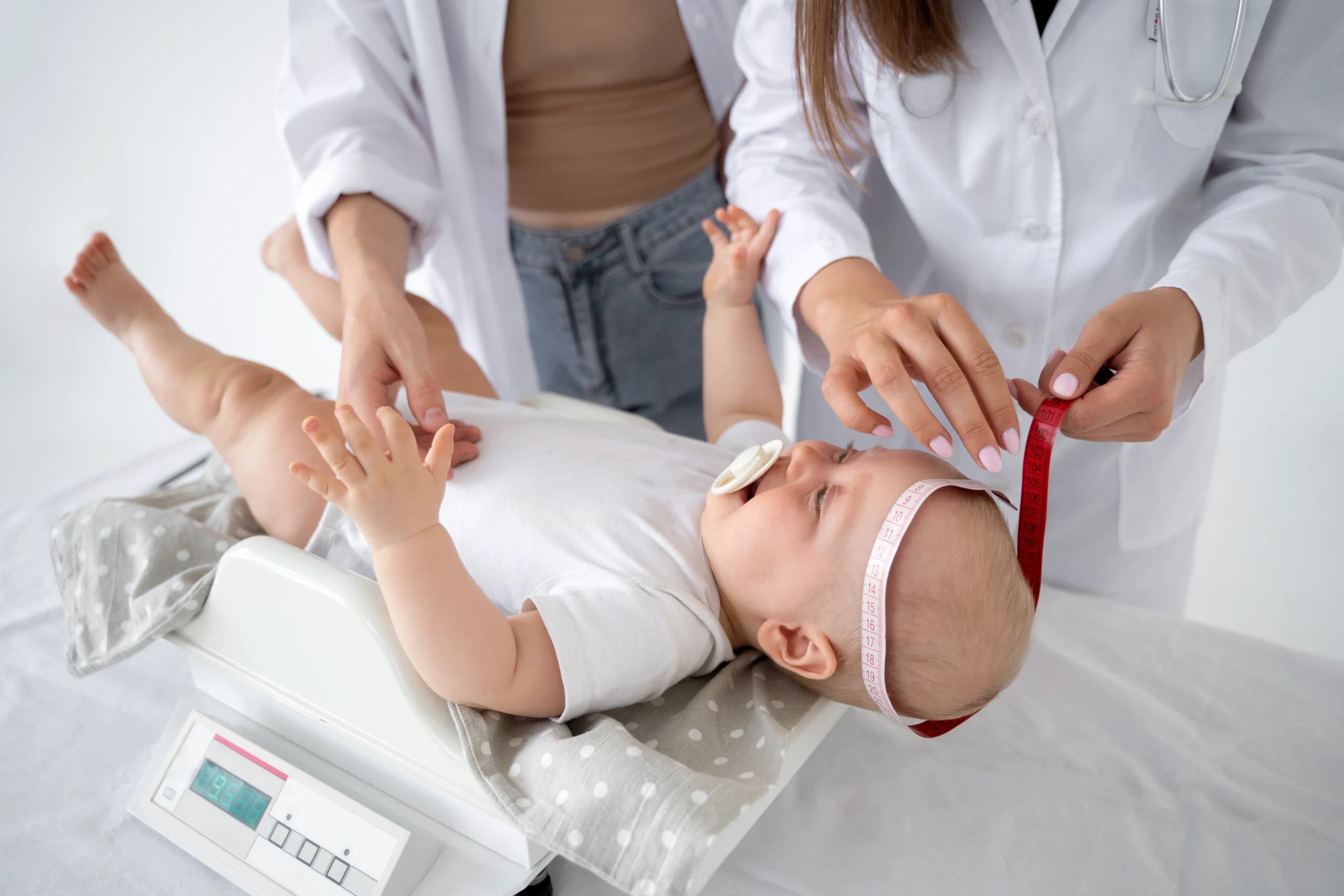
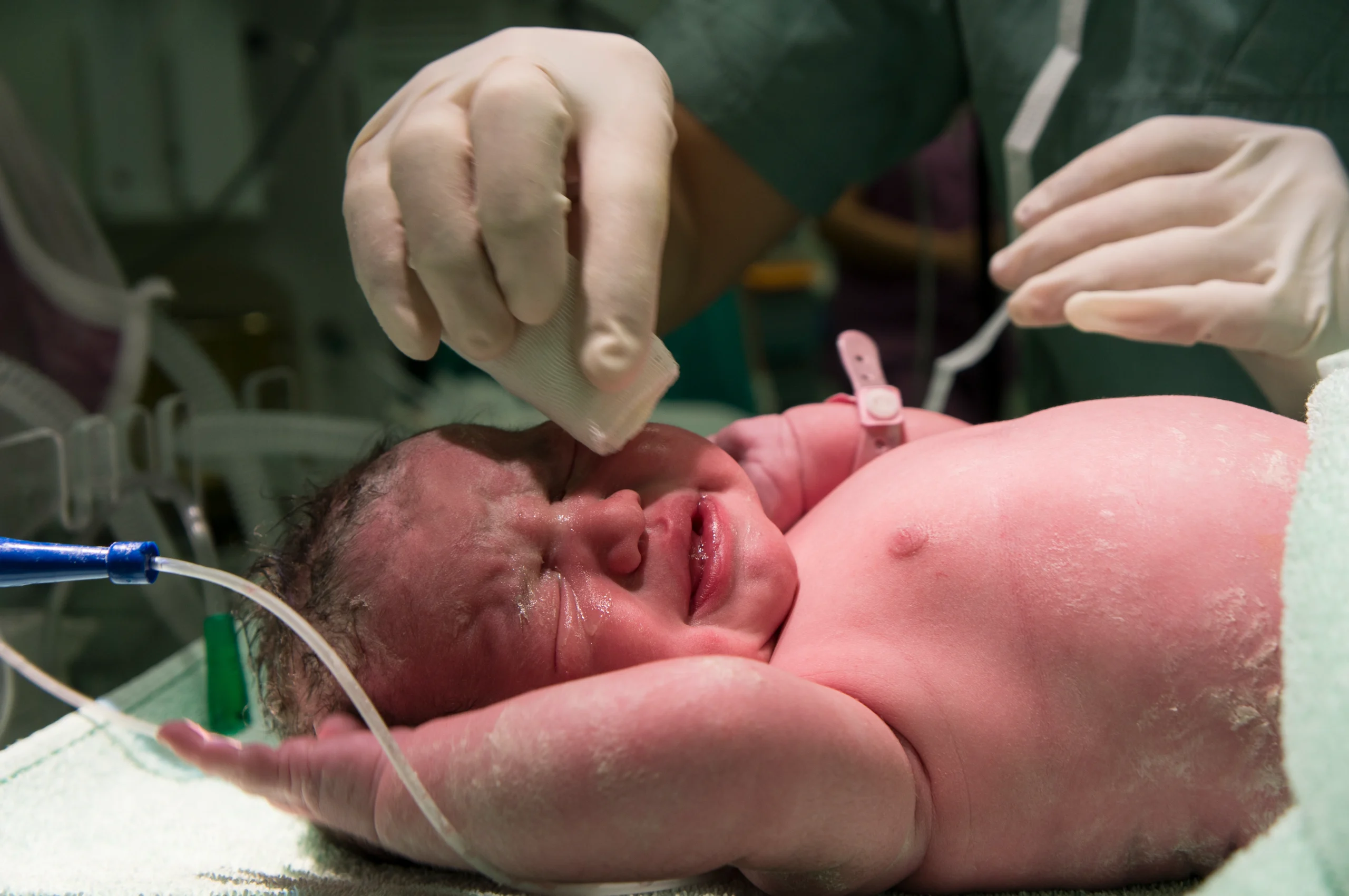
What Is Phototherapy Treatment for Newborn Babies?
Phototherapy is a treatment that uses specially designed medical light to reduce elevated bilirubin levels in newborn babies, generally used to treat newborn jaundice. The light helps the body convert bilirubin into a form it can eliminate more easily. Phototherapy should always be provided under medical supervision, with the baby monitored throughout treatment rather than left under a light unsupervised.
What Is Newborn Jaundice?
Bilirubin is a natural substance produced when the body breaks down old red blood cells. Newborn babies can develop jaundice, a yellowing of the skin and the whites of the eyes, when bilirubin builds up faster than a newborn’s liver can clear it, which is common in the first days of life.
Most newborn jaundice is mild and resolves on its own. Some babies need monitoring. A smaller number need treatment, depending on how high the bilirubin level rises and how quickly.
How Does Phototherapy Work?
In simple terms: bilirubin builds up in the baby’s blood → the baby receives therapeutic light → the light converts the bilirubin into a form the body can eliminate more easily → bilirubin levels decrease.
Phototherapy uses specially designed medical lights, not ordinary household lighting, calibrated and positioned specifically for this purpose.
Contact Us
When Does a Newborn Baby Need Phototherapy?
The treating paediatrician decides whether phototherapy is needed based on several factors together, not a single number:
- The baby's bilirubin level
- The baby's age in hours or days
- Gestational age at birth
- Overall health
- Other individual risk factors
There is no single bilirubin level that applies to every baby. The right threshold depends on these factors together, which is why this decision is made by the treating paediatrician rather than compared against a general number.
What Happens During Phototherapy Treatment?
- The baby is placed under appropriate phototherapy lights
- The baby's eyes are protected when required
- As much appropriate skin exposure as possible is maintained
- Feeding continues as advised by the treating team
- Temperature and hydration are monitored throughout
- Bilirubin levels may be reassessed to check how the baby is responding
Is Phototherapy Safe for Newborn Babies?
Phototherapy is widely used for newborn jaundice and is generally considered safe when appropriately administered and monitored. Babies are watched closely throughout treatment. Temporary effects can sometimes occur and should be discussed with the treating paediatrician if you notice anything that concerns you.
Phototherapy should always be given according to the paediatrician’s individual assessment and treatment plan, not a standard routine applied the same way to every baby.
Feeding and Baby Care During Phototherapy
- Adequate feeding. Continues to matter during treatment, since feeding helps the body clear bilirubin.
- Breastfeeding. Continued as advised by the treating paediatrician.
- Hydration monitoring. Checked throughout treatment
- Wet diapers. Monitored as a simple sign of adequate hydration.
- Temperature. Maintained appropriately while the baby is under treatment.
- Following instructions. From the healthcare team caring for your baby, at every step.
Comprehensive Healthcare Services Under One Roof
At Srushti Hospital, we provide advanced medical care with a team of experienced specialists and modern facilities. Explore our wide range of healthcare services designed to support your health needs with personalized treatment and compassionate care.
What Causes Jaundice in Newborn Babies?
- Physiological jaundice, the common, usually mild form seen in many newborns
- Prematurity
- Blood-group incompatibility between mother and baby
- Increased breakdown of red blood cells
- Feeding-related factors
- Infection or other underlying medical conditions
Identifying the specific cause can matter when jaundice is significant or does not resolve as expected, since it affects how the treating paediatrician manages the baby going forward.
When Should Parents Seek Medical Attention?
Contact your baby’s paediatrician or go to the nearest hospital promptly if you notice:
- Your baby is becoming increasingly yellow
- Poor feeding
- Your baby is unusually sleepy or difficult to wake
- Fever
- Significant weakness
- Unusual or high-pitched crying
- Abnormal movements or reduced responsiveness
These signs are worth acting on promptly rather than waiting to see if they pass.
Why Choose Srushti Hospital and IVF Center
- Newborn jaundice assessment. A proper evaluation before any treatment decision.
- Bilirubin monitoring. Tracked through treatment, not checked once and left unmonitored.
- Appropriate phototherapy equipment. Used and positioned correctly for the baby's treatment.
- Monitoring throughout treatment. Temperature, hydration and response checked regularly.
- Feeding and hydration support. Guidance for parents through the treatment period.
- Parent guidance. Clear explanations at each step, particularly for first-time parents.
- Follow-up care. After treatment ends, to confirm bilirubin levels remain stable.
Frequently Asked Questions
Phototherapy is a medical treatment that uses special light to reduce high bilirubin levels in newborn babies with jaundice. The light helps convert bilirubin into a form that the baby’s body can remove more easily. It is performed under medical supervision with regular monitoring.
Newborn babies may need phototherapy when bilirubin levels become higher than expected. The decision depends on factors like the baby’s age, bilirubin level, gestational age, overall health, and other risk factors assessed by the paediatrician.
Yes, phototherapy is considered a safe and commonly used treatment for newborn jaundice when provided under proper medical supervision. During treatment, the baby’s temperature, hydration, feeding, and bilirubin levels are monitored carefully.
The duration of phototherapy varies for every baby. It depends on the bilirubin level, baby’s age, cause of jaundice, and response to treatment. The paediatrician decides when treatment can be stopped based on regular assessment.
Yes, breastfeeding usually continues during phototherapy as advised by the treating paediatrician. Proper feeding helps maintain hydration and supports the baby’s body in clearing bilirubin.
Parents should seek medical advice if the baby becomes increasingly yellow, feeds poorly, is unusually sleepy, difficult to wake, develops fever, shows weakness, unusual crying, or reduced responsiveness.
Srushti Hospital and IVF Center in Thergaon provides newborn jaundice assessment and phototherapy treatment with medical monitoring. The hospital serves families from Thergaon, Wakad, Pimpri, Chinchwad, PCMC, and nearby areas.
Become a Member
Serving Thergaon, Dange Chowk, Wakad and Pimpri-Chinchwad
Shop No 19, 19A, 20, Ground Floor, Metropole Building, Dange Chowk Road, opposite Runwal Heritage, Thergaon, Pimpri-Chinchwad, Maharashtra 411033
6:30 PM to 9:30 PM, Monday to Saturday
Morning consultation, by appointment: 9:00 AM to 11:00 AM, Monday to Sunday
7798019692 / 9075993329
₹500 per visit