
PCOD and PCOS Treatment in PCMC - Srushti Hospital and IVF Center
Srushti Hospital and IVF Center in Thergaon, PCMC, offers PCOD and PCOS treatment under Dr. Nikhil A. Mahadar, MRCOG (UK), covering diagnosis, lifestyle management, menstrual cycle treatment, acne and hair symptom care and fertility support for PCOS.
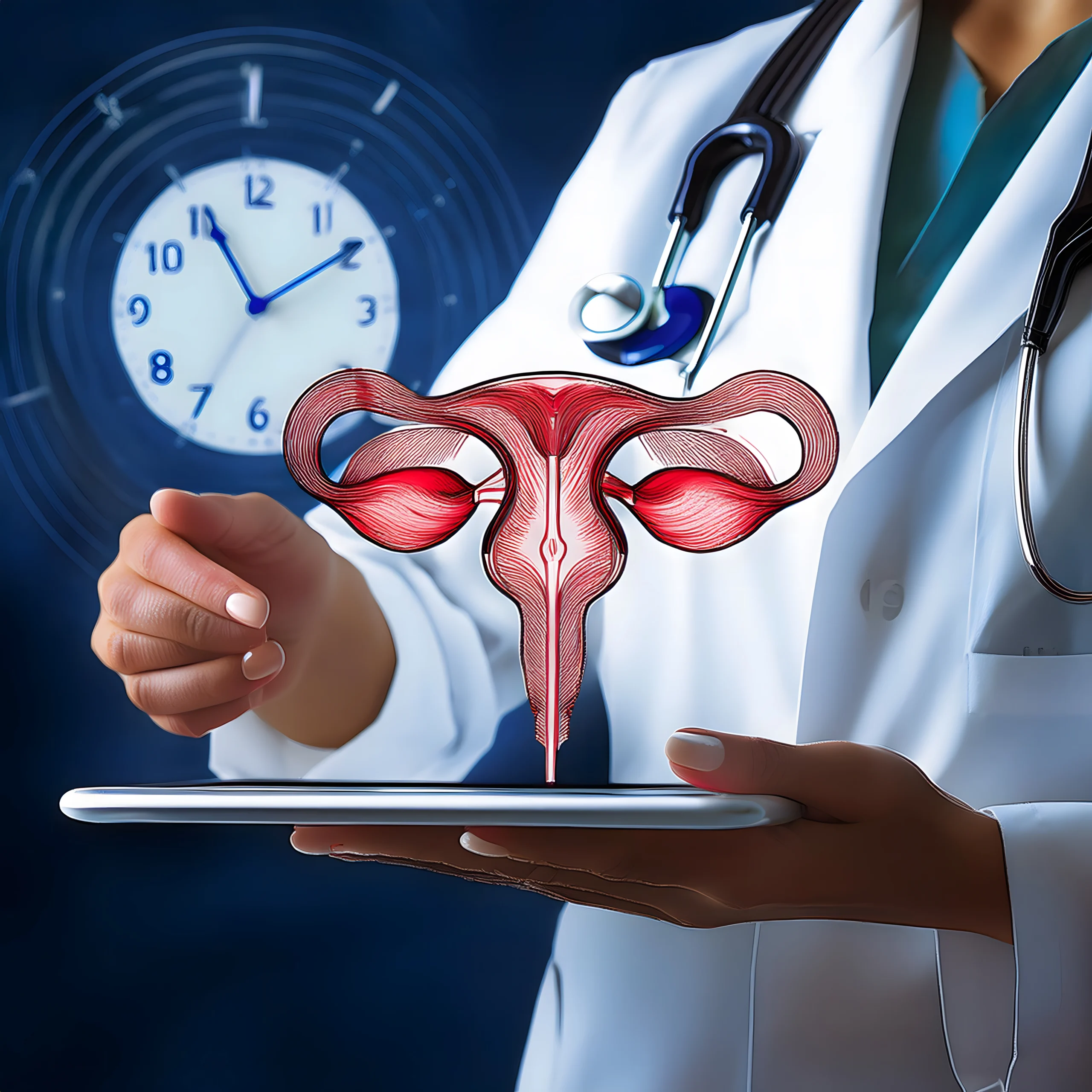

What Are PCOD and PCOS?
PCOD (polycystic ovarian disease) and PCOS (polycystic ovary syndrome) are often used interchangeably though they are not identical conditions. Both involve the ovaries releasing immature or partially mature eggs, which can lead to irregular periods, weight changes and fertility difficulties. Getting the distinction right, rather than treating both as the same condition, is why an accurate diagnosis at the first consultation matters more than the label a patient arrives with.
What Is PCOD?
PCOD describes ovaries that release many partially mature or immature eggs, which can turn into small cysts over time. It is common and often responds well to lifestyle changes and monitoring.
What Is PCOS?
PCOS is a broader hormonal and metabolic disorder that can affect insulin resistance, weight and long-term health, not only the ovaries. It generally needs more structured, longer-term management than PCOD.
Why Proper Diagnosis Matters.
PCOD and PCOS share several symptoms, but they are not managed the same way. Dr. Mahadar’s evaluation, including history, examination and same-visit ultrasound, is built to tell the two apart before recommending a treatment plan, rather than treating every case of irregular periods as PCOS by default.
New Posts
Contact Us
PCOD vs PCOS: What Is the Difference?
| PCOD | PCOS |
|---|---|
| A common hormonal condition | A broader metabolic and hormonal disorder |
| Ovulation may be irregular | Ovulation problems are more consistently present |
| Symptoms are often milder | Can involve wider metabolic effects such as insulin resistance |
| Lifestyle management is often enough on its own | Often needs longer-term, structured medical management |
Tests Dr. Mahadar Uses to Diagnose PCOD and PCOS
A PCOD or PCOS diagnosis is not based on a single test. Dr. Nikhil Mahadar gynecologist in pcmc combines a clinical assessment with an ultrasound and a set of blood tests to build a complete picture before recommending treatment.
- Clinical assessment. Menstrual history, symptom review and a physical examination, including weight and visible signs such as acne or excess hair growth.
- Pelvic or transvaginal ultrasound. Performed personally by Dr. Mahadar at the same visit, checking ovarian size and the number and pattern of follicles.
- LH and FSH. Luteinizing hormone and follicle-stimulating hormone, often assessed together since an elevated LH-to-FSH ratio is common in PCOS.
- Checked for signs of excess androgen, which can explain acne, excess hair growth or hair thinning.
- Prolactin and TSH. Used to rule out a thyroid disorder or high prolactin as the cause of irregular periods, since both can produce similar symptoms to PCOS.
- AMH (Anti-Mullerian Hormone). Often raised in PCOS and considered alongside the ultrasound findings rather than on its own.
- Fasting blood sugar and insulin. Checked for insulin resistance, which is common in PCOS and affects long-term metabolic health.
- Lipid profile. A cholesterol check, since PCOS is linked to a higher long-term risk of metabolic complications.
Our PCOD and PCOS Treatment Approach
A. Detailed Consultation and Diagnosis
- Medical and menstrual history
- Symptom assessment
- Physical examination where appropriate
- Relevant blood tests
- Same-visit ultrasound when required
B. Lifestyle and Nutrition Management
- Personalised diet guidance
- Physical activity recommendations
- Weight-management support where appropriate
- Sleep and stress-management guidance
C. Menstrual Cycle Management
- Management of irregular periods
- Hormonal treatment when medically appropriate
- Monitoring response to treatment at follow-up
D. Acne and Excess Hair Management
- Treatment options for acne
- Management of unwanted hair growth
- Hormonal management when indicated
E. PCOS and Fertility Treatment
- Ovulation assessment
- Ovulation-induction options
- Hormonal management when indicated
Treatment Based on Your Symptoms
- Irregular Periods → Hormonal Evaluation → Personalised Treatment
- Weight or Metabolic Concerns → Lifestyle and Medical Management
- Acne or Excess Hair → Hormonal and Symptom Management
- Trying to Conceive → Ovulation and Fertility Support
Comprehensive Healthcare Services Under One Roof
At Srushti Hospital, we provide advanced medical care with a team of experienced specialists and modern facilities. Explore our wide range of healthcare services designed to support your health needs with personalized treatment and compassionate care.
Why Choose Srushti Hospital and IVF Center
- Personalised treatment plans. Built around each patient’s symptoms and goals, not a fixed protocol.
- Comprehensive evaluation. History, examination, blood tests and same-visit ultrasound performed personally by Dr. Mahadar.
- Focus on long-term management. PCOS is treated as an ongoing condition to manage well, not one to promise a cure for.
- Fertility support when required. Ovulation assessment and induction available as part of the same consultation relationship.
- Reasonable, transparent pricing. A flat ₹500 consultation fee, with any further treatment cost confirmed upfront.
- Local, bilingual access. Hindi and English consultations on Dange Chowk Road, Thergaon.
Cost of PCOD and PCOS Treatment in PCMC

Treatment cost depends on what a patient actually needs rather than a single fixed package, since a lifestyle-only plan and a plan involving hormonal treatment or fertility support cost differently.
- Consultation: ₹500 per visit, confirmed upfront.
- Diagnostic tests. Blood work and ultrasound are priced separately from the consultation, with cost confirmed at the time they are recommended.
- Lifestyle and nutrition guidance. Included as part of the consultation for most patients.
- Hormonal or medical treatment. Cost varies by medication and duration and is discussed before a patient starts.
- Fertility treatment. Ovulation induction and any further fertility support is covered, with cost, on the IVF and Fertility Treatment page.
When Should You See a PCOS Doctor?
Consider a consultation if you notice:
- • Periods occurring very irregularly
- • No periods for several months
- • Persistent acne or excess hair growth
- • Unexplained weight changes
- • Difficulty becoming pregnant
- • Other signs of hormonal imbalance
When Should You See a PCOS Doctor?
For Regular Periods →
Cycle management and hormonal evaluation.
For Weight Management →
Lifestyle, nutrition and metabolic assessment.
For Skin and Hair Symptoms →
Targeted symptom management.
For Pregnancy Planning →
Ovulation and fertility evaluation.
Frequently Asked Questions
There is no single best treatment. The right approach depends on a patient’s symptoms, goals and test results, which is why Dr. Mahadar builds a personalised plan after a full evaluation rather than starting from a fixed protocol.
PCOS is a long-term hormonal condition rather than one with a permanent cure. The goal of treatment is to manage symptoms, reduce associated health risks and support fertility where relevant, not to eliminate the condition entirely.
No. PCOD and PCOS share some symptoms, but PCOS is a broader metabolic and hormonal disorder, while PCOD is generally milder and often responds well to lifestyle changes alone.
Yes. Irregular or missed periods are among the most common symptoms of PCOS, caused by irregular or absent ovulation.
Yes. Many women with PCOS conceive with the right evaluation and treatment, which may include ovulation induction or further fertility support depending on the individual case.
Diagnosis generally combines a review of symptoms and menstrual history, a physical examination, relevant blood tests and an ultrasound, which Dr. Mahadar can perform during the same consultation.
PCOS is linked to insulin resistance, which can make weight gain more likely and weight loss more difficult for some patients, though not everyone with PCOS experiences this.
Diet, physical activity, sleep and stress management can meaningfully improve PCOS symptoms for many patients, though some also need medical or hormonal treatment alongside these changes.
Become a Member
Serving Thergaon, Dange Chowk, Wakad and Pimpri-Chinchwad
Shop No 19, 19A, 20, Ground Floor, Metropole Building, Dange Chowk Road, opposite Runwal Heritage, Thergaon, Pimpri-Chinchwad, Maharashtra 411033
6:30 PM to 9:30 PM, Monday to Saturday
Morning consultation, by appointment: 9:00 AM to 11:00 AM, Monday to Sunday
7798019692 / 9075993329
₹500 per visit