
Adenomyomectomy Surgery in PCMC, Pune - Srushti Hospital and IVF Center
Adenomyosis is a condition where tissue similar to the uterine lining grows into the muscular wall of the uterus, which can cause heavy periods, severe cramping and chronic pelvic pain. When medication or hormonal treatment does not adequately control these symptoms, adenomyomectomy, a surgery that removes the affected tissue while preserving the uterus, is one option worth understanding. Whether this surgery is suitable depends on whether the adenomyosis is localised or widespread, your symptoms and your fertility plans.
Srushti Hospital and IVF Center in Thergaon, PCMC, offers adenomyomectomy under Dr. Nikhil A. Mahadar, gynecologist in PCMC, removing localised adenomyosis tissue from the uterine wall while preserving the uterus. This is generally considered when fertility or uterus preservation is a priority.
What Is Adenomyosis?
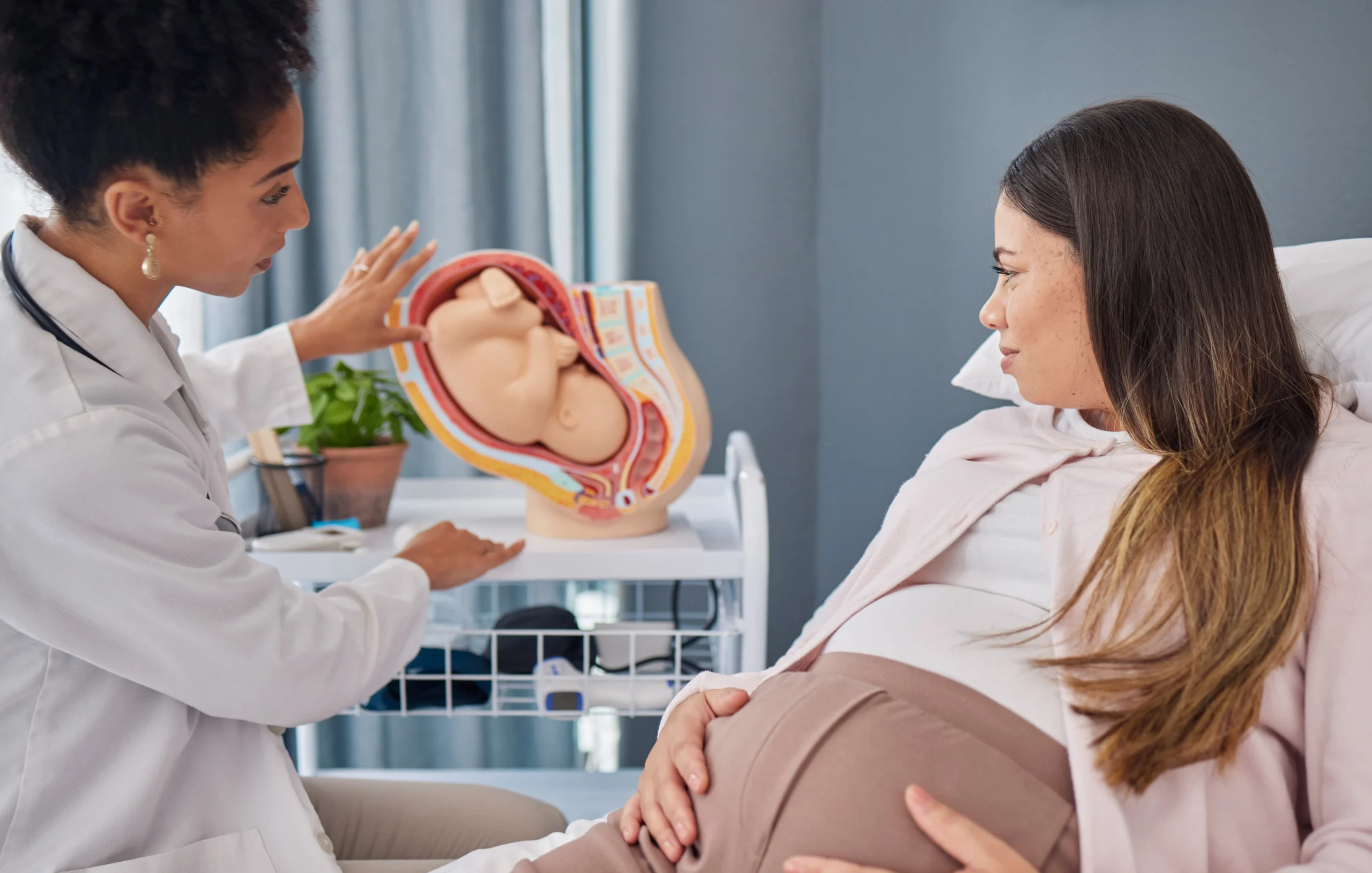
Adenomyosis happens when tissue similar to the lining of the uterus grows into the myometrium, the muscular wall of the uterus, rather than staying confined to the inner lining where it belongs. This causes the uterine wall to thicken. The uterus itself can become enlarged and tender. Adenomyosis is a distinct condition from endometriosis, where similar tissue grows outside the uterus instead, though the two conditions can occur together and share some underlying biological similarities.
What Is Adenomyomectomy?
Adenomyomectomy is a surgical procedure to remove an adenomyoma, a localised mass of adenomyosis tissue within the uterine wall, while preserving the uterus itself. This is different from a hysterectomy, which removes the entire uterus. It is generally considered by women who want to keep their uterus, whether for fertility reasons or personal preference, when symptoms are significant enough to need surgical treatment.
As a gynecologist in PCMC fellowship-trained in laparoscopic surgery and infertility, Dr. Nikhil A. Mahadar assesses whether your adenomyosis is a good candidate for this uterus-preserving approach before recommending it.
Contact Us
Focal vs Diffuse Adenomyosis: Why This Distinction Matters
- Focal adenomyosis (an adenomyoma). A localised mass within the uterine wall, similar in concept to a fibroid, though made of a different tissue type. This is the situation adenomyomectomy is generally best suited to treat.
- Diffuse adenomyosis. Spread throughout the uterine muscle without a clear, localised mass. Removing all affected tissue in a diffuse case would mean removing most of the uterine wall itself, which is not realistically possible while preserving a functional uterus.
Dr. Mahadar confirms which pattern applies to you before discussing surgery, since this distinction genuinely changes what surgery can realistically achieve.
When Is Adenomyomectomy Recommended?
- Significant symptoms, such as heavy bleeding or pain, not controlled by medication or hormonal treatment
- A confirmed or strongly suspected focal adenomyoma, rather than diffuse disease
- A wish to preserve the uterus, whether for fertility or personal reasons
- Fertility is a priority and hysterectomy is not an acceptable option
Adenomyomectomy is not automatically recommended for every adenomyosis diagnosis. Dr. Mahadar discusses whether your specific case is a good candidate based on imaging findings and your goals.
Step-by-Step Adenomyomectomy Procedure
Here is how adenomyomectomy generally proceeds under Dr. Nikhil A. Mahadar, gynecologist in PCMC.
Before Your Adenomyomectomy
01. Anaesthesia.
Generally performed under general anaesthesia.
02. Positioning and preparation.
You are positioned appropriately. The abdomen is cleaned and prepared.
During the Adenomyomectomy Procedure
03. Creating access.
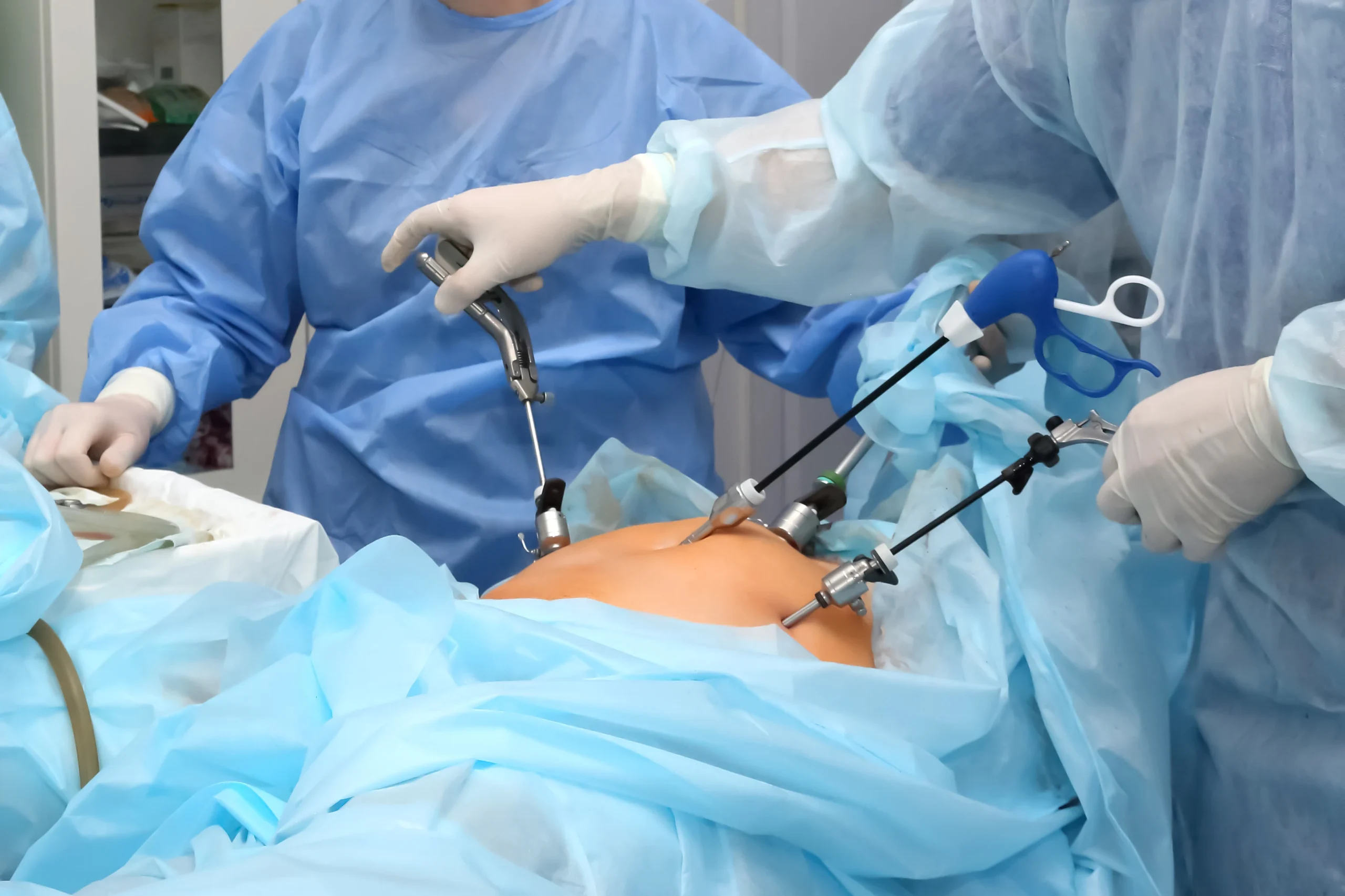
Performed laparoscopically through small incisions when feasible, or through an open abdominal incision for more extensive cases, depending on the size and position of the adenomyoma.
04. Identifying the adenomyoma.
Dr. Mahadar locates the affected area of the uterine muscle, confirmed against your pre-operative imaging.
05. Excising the affected tissue.
The adenomyotic tissue is carefully removed. Unlike a fibroid, an adenomyoma has no clear surrounding capsule, which makes this step more technically demanding and requires judgement about how much tissue can be safely removed.
06. Reconstructing the uterine wall.
The uterine muscle is repaired in layers to restore its structural integrity, an important step for the safety of any future pregnancy.
After Your Adenomyomectomy
07. Final checks and closing
The surgical site is checked for bleeding. Instruments are removed, then the incisions are closed.
The procedure itself varies in length depending on the size and position of the adenomyoma and whether a laparoscopic or open approach is used. This is a general description, not a specific time promised for every case.
Pregnancy and Delivery After Adenomyomectomy
Because this surgery involves cutting into and reconstructing the uterine muscle, a future pregnancy generally needs closer monitoring than a standard pregnancy. A planned caesarean delivery is often recommended rather than labour, to reduce the risk of the reconstructed uterine wall coming under strain during contractions. Dr. Mahadar discusses this specifically as part of planning the surgery, not only once a pregnancy is already underway.
What Are the Benefits of Adenomyomectomy?
- Preserves the uterus. Unlike hysterectomy, which removes it entirely.
- Can significantly reduce symptoms. For appropriately selected focal cases.
- Keeps fertility potential open. For women who wish to carry a future pregnancy.
- Avoids hysterectomy. For women who want to keep their uterus for personal reasons as well as fertility.
Comprehensive Healthcare Services Under One Roof
At Srushti Hospital, we provide advanced medical care with a team of experienced specialists and modern facilities. Explore our wide range of healthcare services designed to support your health needs with personalized treatment and compassionate care.
Recovering After Adenomyomectomy
Immediately After Surgery
- Monitoring in the recovery room
- Tiredness and abdominal discomfort
- Possible nausea
- Care of the incision or incisions
First Few Days
- Rest, with gradual movement as advised
- Following prescribed medication instructions
- Avoiding strenuous activity according to Dr. Mahadar's advice
Returning to Normal Activities
Recovery time depends on whether a laparoscopic or open approach was used, the extent of the adenomyoma removed and your individual healing. Laparoscopic recovery is generally faster than recovery from an open procedure.
What Should You Avoid After Adenomyomectomy?
- Heavy lifting
- Strenuous exercise
- Driving until medically appropriate
- Sexual intercourse until cleared by Dr. Mahadar
- Attempting pregnancy before your follow-up confirms the uterus has healed
Your surgeon’s specific instructions for your individual recovery always take priority over the general guidance above.
When Should You Contact Your Doctor After Surgery?
Contact Dr. Mahadar or go to the nearest hospital promptly if you experience:
- Heavy bleeding
- Fever
- Increasing abdominal pain
- Redness, swelling or discharge from an incision
- Any other unexpected or worsening symptom
Can Adenomyosis Come Back After Adenomyomectomy?
Surgery removes the tissue present at the time of the operation, but adenomyosis can persist in tissue that was not removed, particularly if the disease was more widespread than imaging suggested. Symptoms can return. This varies between patients. Follow-up is generally recommended. Hormonal treatment may be advised afterward depending on your symptoms and fertility goals.
How to Prepare for Adenomyomectomy
- Discuss your symptoms in detail
- Tell Dr. Mahadar about all medications you take
- Share any previous surgeries
- Discuss your pregnancy plans clearly
- Complete recommended imaging, including MRI if advised
- Follow fasting instructions given before surgery
- Arrange transportation and support at home afterward
- Understand your specific post-operative restrictions
Why Choose Srushti Hospital for Adenomyomectomy
- Accurate diagnosis first. Distinguishing focal from diffuse adenomyosis before recommending surgery, rather than assuming every case is operable the same way.
- Dual fellowship training. Dr. Mahadar holds fellowship training in both laparoscopic surgery and infertility, relevant to both the procedure and any fertility planning around it.
- Delivery planning built in from the start. Future pregnancy and delivery considerations discussed as part of the surgical decision, not left for later.
- Continuity of care. The same doctor performs the surgery and manages any pregnancy or fertility treatment that follows.
- Reasonable, transparent pricing. A flat ₹500 consultation fee, with surgical costs discussed and confirmed in advance.
Frequently Asked Questions
Rather than a single answer, look for a doctor who distinguishes focal from diffuse adenomyosis before recommending surgery, holds fellowship training relevant to both the procedure and fertility planning and discusses future pregnancy and delivery implications upfront. Dr. Nikhil A. Mahadar at Srushti Hospital and IVF Center in Thergaon offers all three.
A surgery that removes a localised mass of adenomyosis tissue from the uterine wall while preserving the uterus, as an alternative to hysterectomy.
No. It is generally best suited to focal adenomyosis, a localised mass, rather than diffuse disease spread through the uterine muscle, since diffuse disease cannot realistically be fully removed while preserving a functional uterus.
Adenomyomectomy removes the affected tissue while keeping the uterus. Hysterectomy removes the uterus entirely. Adenomyomectomy is generally chosen when preserving the uterus, for fertility or personal reasons, is a priority.
Many women can, though a future pregnancy generally needs closer monitoring. A planned caesarean delivery is often recommended rather than labour, to protect the reconstructed uterine wall.
It is possible, particularly if some affected tissue was not removed or if the disease was more widespread than imaging suggested. Follow-up helps monitor for this.
A myomectomy removes fibroids, which have a distinct capsule separating them from normal tissue. Adenomyomectomy removes adenomyosis, which blends into the surrounding uterine muscle without a clear boundary, making it a technically different and generally more demanding procedure.
Become a Member
Serving Thergaon, Dange Chowk, Wakad and Pimpri-Chinchwad
Shop No 19, 19A, 20, Ground Floor, Metropole Building, Dange Chowk Road, opposite Runwal Heritage, Thergaon, Pimpri-Chinchwad, Maharashtra 411033
6:30 PM to 9:30 PM, Monday to Saturday
Morning consultation, by appointment: 9:00 AM to 11:00 AM, Monday to Sunday
7798019692 / 9075993329
₹500 per visit