
Laparoscopic Hysterectomy Surgery in PCMC, Pune - Srushti Hospital and IVF Center
Searching for laparoscopic hysterectomy surgery near me in PCMC or Pune? Srushti Hospital and IVF Center is on Dange Chowk Road in Thergaon, reachable from Wakad, Dange Chowk and across Pimpri-Chinchwad. Srushti Hospital and IVF Center provides the facility for consultation, surgery and follow-up under Dr. Nikhil A. Mahadar, gynecologist in PCMC, at a single location.
What Is Laparoscopic Hysterectomy
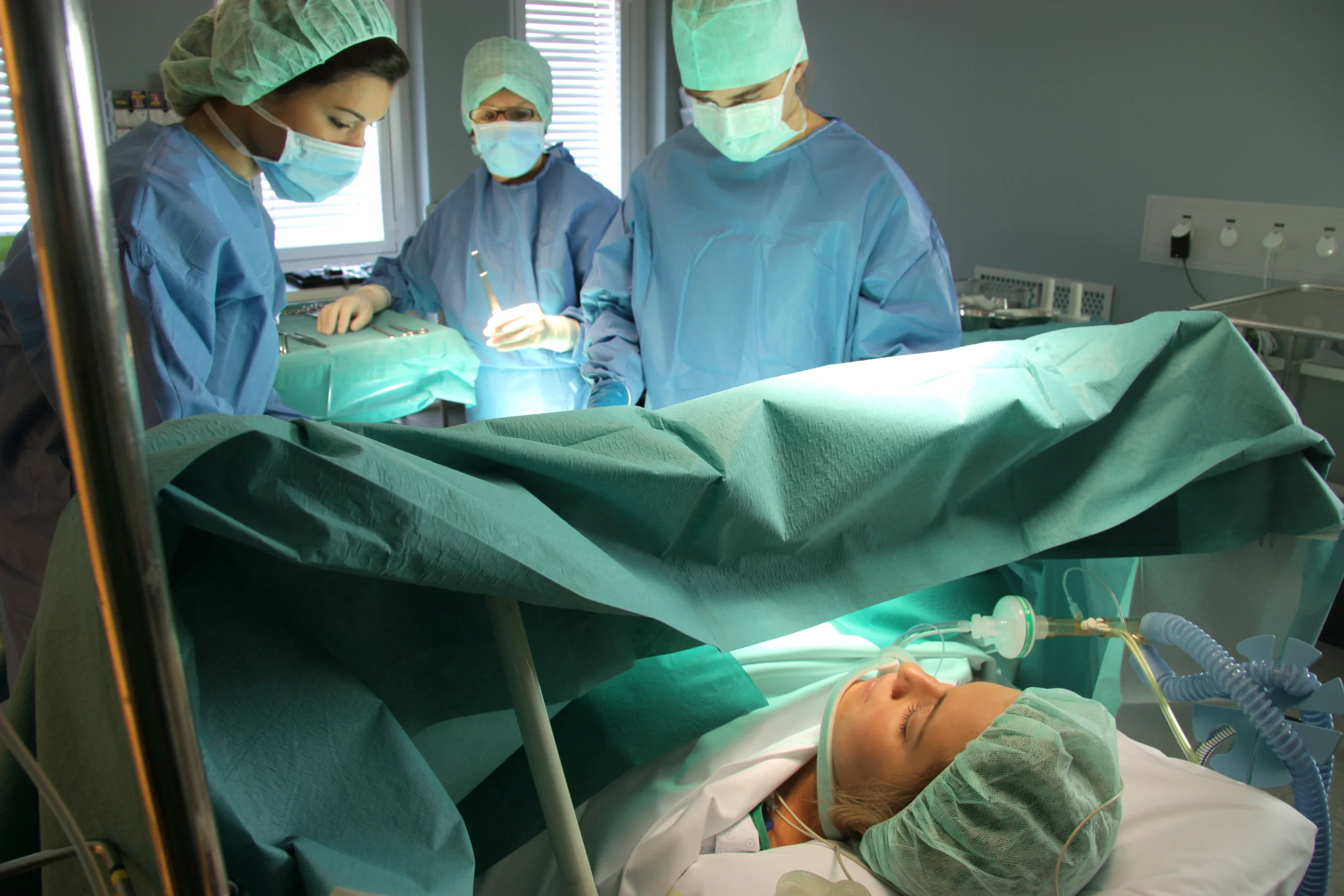
A laparoscopic hysterectomy is a minimally invasive surgery to remove the uterus using a few small incisions and a camera, called a laparoscope, rather than a single large abdominal incision. Instruments are passed through the small incisions to perform the surgery, guided by the camera’s view on a monitor.
As a gynecologist in PCMC, Dr. Nikhil A. Mahadar’s fellowship training in laparoscopic surgery is specifically in this kind of minimally invasive technique, which generally means a shorter hospital stay and faster recovery than an open hysterectomy for suitable cases.
Common Reasons for Laparoscopic Hysterectomy
- Large or symptomatic uterine fibroids
- Adenomyosis
- Severe endometriosis
- Abnormal uterine bleeding not responding to other treatments
- Significant uterine prolapse, in some cases
- Certain precancerous conditions
- Chronic pelvic pain with a uterine cause
Types of Laparoscopic Hysterectomy
Dr. Mahadar recommends the specific type based on your condition, anatomy and individual circumstances, rather than a single default approach for every patient.
A separate question from which type is whether the ovaries are also removed. Removing the uterus does not require removing the ovaries. The two decisions are made independently based on your age, condition and preferences; see Life After Hysterectomy below for how this affects hormones and menopause.
Contact Us
Total laparoscopic hysterectomy
Removes the uterus and cervix entirely.
Laparoscopic supracervical hysterectomy
Removes the uterus while preserving the cervix.
Laparoscopic-assisted vaginal hysterectomy
Combines laparoscopic and vaginal surgical approaches.
Common Reasons for Laparoscopic Hysterectomy
- Large or symptomatic uterine fibroids
- Adenomyosis
- Severe endometriosis
- Abnormal uterine bleeding not responding to other treatments
- Significant uterine prolapse, in some cases
- Certain precancerous conditions
- Chronic pelvic pain with a uterine cause
Benefits Over Open Surgery
- Smaller incisions. Generally less visible scarring than open surgery.
- Less post-operative pain. Compared with a single large abdominal incision.
- Shorter hospital stay. Often one to two days, compared with several days for open surgery.
- Faster return to normal activity. For most patients, compared with open hysterectomy recovery.
- Lower infection risk. Generally associated with smaller incisions.
Preparing for Laparoscopic Hysterectomy
- Pre-operative consultation. Reviewing your medical history, current medications and overall fitness for surgery.
- Pre-operative tests. Generally including blood tests and, depending on age and health, an ECG or other assessment as Dr. Mahadar advises.
- Fasting instructions. Specific timing for your last meal and drink before surgery, given closer to your surgery date.
- Medication review. Certain medications, particularly blood thinners, may need to be paused beforehand under medical guidance.
- Admission on the day. Generally a same-day or short pre-operative admission, confirmed with you in advance.
Dr. Mahadar confirms the specific preparation steps that apply to you at your pre-operative consultation, since these vary by individual health and the type of surgery planned.
Step-by-Step Laparoscopic Hysterectomy Procedure
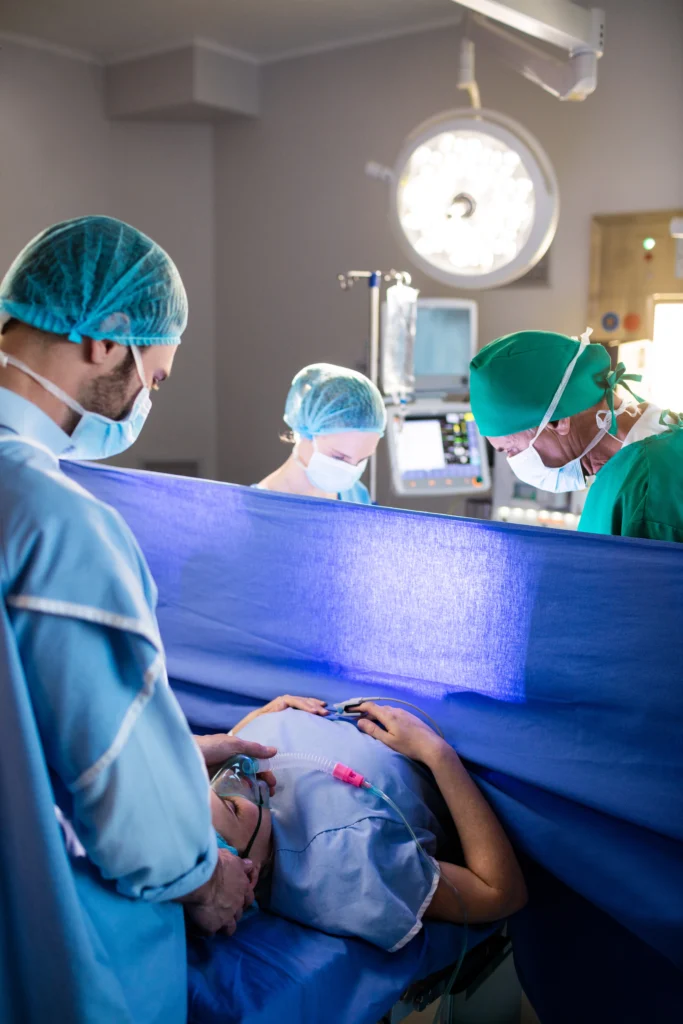
Understanding what actually happens during surgery can make the process feel less uncertain. Here is how a laparoscopic hysterectomy generally proceeds under Dr. Nikhil A. Mahadar, laparoscopic surgeon in PCMC.
01. Anaesthesia.
You are given general anaesthesia and monitored by the anaesthesia team throughout the surgery, so you are fully asleep and feel nothing during the procedure.
02. Positioning and preparation.
You are positioned appropriately for pelvic access. The abdomen is cleaned and sterilised. A bladder catheter is placed to keep the bladder empty during surgery.
03. Creating access.
A small incision, generally near the navel, is used to gently inflate the abdomen with carbon dioxide gas, creating space to see and work safely. The laparoscope, a thin camera, is inserted through this incision, projecting a magnified view of the pelvic organs onto a monitor.
04. Additional port placement.
A small number of additional small incisions, generally two to three, are made to insert the fine surgical instruments used during the procedure.
05. Examining the pelvic anatomy.
Dr. Mahadar, laparoscopic surgeon in PCMC, examines the uterus, ovaries and surrounding structures on the monitor to confirm the surgical plan before proceeding.
06. Detaching the uterus.
The blood vessels and supporting ligaments that hold the uterus in place are carefully sealed and divided using specialised laparoscopic instruments, freeing the uterus from its surrounding attachments.
07. Removing the uterus.
Once detached, the uterus, along with the cervix if being removed, is withdrawn through the vagina or through one of the small incisions. Depending on its size, it may need to be divided into smaller sections to be removed through these narrow openings.
08. Closing the vaginal cuff, if applicable.
If the cervix has been removed, the top of the vagina is closed internally with sutures placed laparoscopically.
09. Final checks and closing.
Dr. Mahadar checks the surgical site for bleeding, removes the instruments and gas, then closes the small skin incisions, generally with a few stitches, surgical glue or adhesive strips.
10. Recovery room.
You are moved to a recovery area where you are monitored closely as the anaesthesia wears off, before being settled into your hospital room.
Recovery After Laparoscopic Hysterectomy
- Day of surgery and Day 1. Most patients are up and walking with assistance within a day, with pain managed by medication.
- Hospital stay. Generally one to two days, shorter than typical open surgery recovery.
- First week at home. Rest with light movement, avoiding driving, lifting or strenuous activity.
- Weeks two to four. Gradual return to most daily activities, with heavier lifting and exercise still generally restricted.
- Around six weeks. A follow-up visit to confirm healing, after which most normal activity, including exercise, can generally resume if healing is on track.
These timeframes are general and vary by individual healing, the type of hysterectomy performed and whether any complications arose. Dr. Mahadar adjusts guidance to your specific recovery at each follow-up.
Comprehensive Healthcare Services Under One Roof
At Srushti Hospital, we provide advanced medical care with a team of experienced specialists and modern facilities. Explore our wide range of healthcare services designed to support your health needs with personalized treatment and compassionate care.
Risks and What to Expect
Laparoscopic hysterectomy is generally safe, but as with any surgery it carries risks such as infection, bleeding, injury to nearby organs, or risks associated with anaesthesia. These risks are generally lower with the laparoscopic approach than with open surgery, though they are not eliminated entirely.
Dr. Mahadar discusses the specific risks relevant to your individual case and health history before surgery
individual case and health history before surgery. When
- A very large uterus that is difficult to remove through small incisions
- Extensive scarring or adhesions from previous surgery
- Certain cancer cases requiring more extensive surgical access
The laparoscopic approach is not automatically the right choice for every patient. Dr. Mahadar’s assessment determines which approach is genuinely appropriate for your specific case.
Life After Hysterectomy
- If the ovaries are retained. Your body continues producing hormones as before. You will not go into menopause from the hysterectomy itself, though you will no longer have periods.
- If the ovaries are also removed. This does bring on menopause immediately, regardless of your age, since the ovaries are the main source of oestrogen. Dr. Mahadar discusses this specifically if ovarian removal is being considered alongside the hysterectomy.
- Sexual function. Most women return to normal sexual activity after full recovery, generally once cleared at the follow-up visit. Individual experience varies. This is a reasonable question to raise directly at any point in your care.
- Fertility. A hysterectomy removes the ability to carry a future pregnancy, which is an important and permanent consideration to discuss fully before deciding on surgery, particularly for younger patients.
These are significant, personal aspects of this decision. Dr. Mahadar addresses them directly during consultation rather than leaving them for after surgery.
Why Choose Srushti Hospital and IVF Center
- Fellowship training in laparoscopic surgery. A specific, checkable qualification behind this recommendation. Dr. Mahadar is a fellowship-trained laparoscopic surgeon in PCMC, not a general surgeon offering this procedure as a side interest.
- Honest guidance on approach. A clear explanation of whether the laparoscopic method is right for your specific case.
- Continuity of care. The same doctor evaluates, operates and manages your follow-up.
- Reasonable, transparent pricing. A flat ₹500 consultation fee, with surgical and hospital costs discussed and confirmed in advance.
- Local, bilingual access. Hindi and English consultations on Dange Chowk Road, Thergaon.
Frequently Asked Questions
Laparoscopic hysterectomy uses small incisions and a camera, generally meaning less pain and a shorter recovery. Open hysterectomy uses a single larger abdominal incision and is sometimes needed for larger or more complex cases.
An NT scan (Nuchal Translucency scan) is a first-trimester ultrasound that measures the fluid thickness at the back of the baby’s neck. It is used as part of pregnancy screening to assess the risk of certain chromosomal conditions.
The procedure is performed under general anaesthesia, so it is not painful during surgery. Post-operative discomfort is generally less than with open surgery and is managed with medication as needed.
A total hysterectomy removes the uterus and cervix. A supracervical hysterectomy removes the uterus but preserves the cervix. Dr. Mahadar discusses which is appropriate for your specific situation.
Not always. Hysterectomy is one option for significant or symptomatic fibroids, generally considered alongside other treatments depending on your specific case and preferences.
No. A very large uterus, extensive prior scarring, or certain cancer cases may mean open surgery is the more appropriate approach. Dr. Mahadar’s assessment determines which applies to you.
Removing the uterus alone does not cause menopause if the ovaries are left in place. This is a specific question worth discussing with Dr. Mahadar based on your planned surgery.
Become a Member
Serving Thergaon, Dange Chowk, Wakad and Pimpri-Chinchwad
Shop No 19, 19A, 20, Ground Floor, Metropole Building, Dange Chowk Road, opposite Runwal Heritage, Thergaon, Pimpri-Chinchwad, Maharashtra 411033
6:30 PM to 9:30 PM, Monday to Saturday
Morning consultation, by appointment: 9:00 AM to 11:00 AM, Monday to Sunday
7798019692 / 9075993329
₹500 per visit