
Uterine Fibroid Treatment in PCMC -Srushti Hospital and IVF Center
Srushti Hospital and IVF Center in Thergaon, PCMC, offers uterine fibroid treatment under Dr. Nikhil A. Mahadar, gynecologist in PCMC, covering diagnosis, medication and laparoscopic or hysteroscopic surgery depending on fibroid size, location and symptoms.
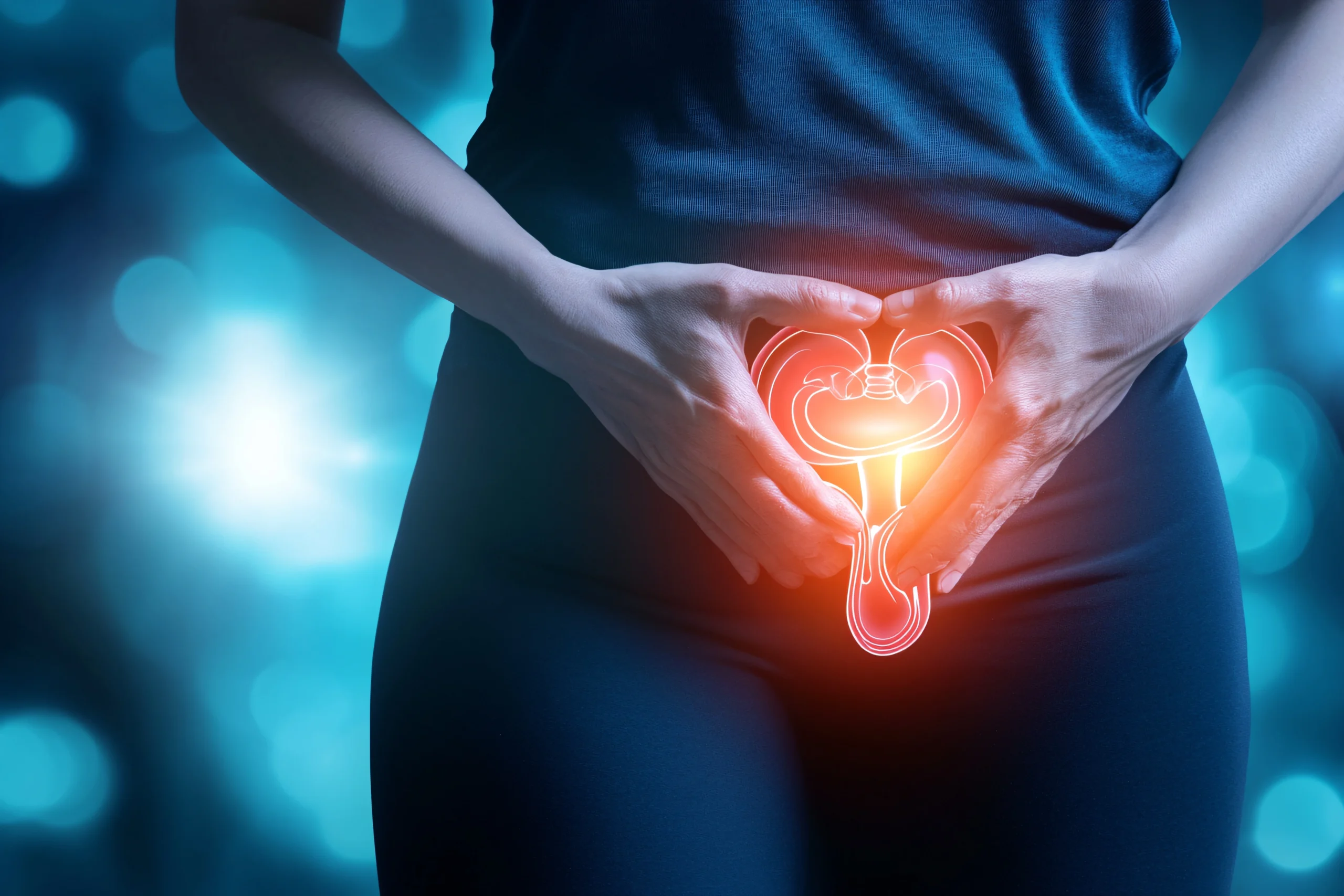

Understanding Uterine Fibroids
Uterine fibroids are non-cancerous growths that develop in or around the uterus. They are common. A large number of women have at least one at some point without ever knowing it, since many fibroids cause no symptoms at all and never need treatment.
Hearing the word “fibroid” can sound alarming, but the right next step depends entirely on the fibroid’s size, location and whether it is actually causing you a problem. That is exactly what a proper evaluation is for.
Types of Fibroids
Where a fibroid sits in or around the uterus affects both the symptoms it causes and the treatment options that make sense for it.
Intramural
Within the muscular wall of the uterus. This is the most common type and can enlarge the uterus as it grows.
Subserosal
On the outer surface of the uterus, sometimes growing large enough to press on nearby organs such as the bladder or bowel.
Submucosal
Just under the inner lining of the uterine cavity. These are the type most likely to cause heavy bleeding and to affect fertility, even when small
Pedunculated
Attached to the uterus by a thin stalk, either inside or outside the cavity, which can sometimes twist and cause sudden pain.
New Posts
Contact Us
Symptoms of Uterine Fibroids
Symptoms depend on the fibroid’s size and location. Some fibroids cause no symptoms at all. When symptoms do appear, they can include:
- Heavy or prolonged menstrual bleeding
- Pelvic pain or a feeling of pressure
- Frequent urination
- Lower back pain
- Pain during intercourse
- Abdominal bloating or a visibly enlarged abdomen
- Difficulty conceiving
What Causes Fibroids
The exact cause of fibroids is not fully understood, but several factors are known to increase the likelihood of developing them:
- Hormonal factors, particularly oestrogen and progesterone
- Family history of fibroids
- Age, most commonly the 30s and 40s
- Being overweight
- Never having been pregnant
These are risk factors, not guarantees. Having one or more of them does not mean fibroids are inevitable. Not having any of them does not rule fibroids out either.
How Fibroids Are Diagnosed
A fibroid is usually found during a pelvic examination or a same-visit ultrasound, which Dr. Mahadar performs personally rather than referring out to a separate diagnostic centre. For larger or more complex cases, an MRI may occasionally be recommended for a clearer picture before deciding on treatment.
Comprehensive Healthcare Services Under One Roof
At Srushti Hospital, we provide advanced medical care with a team of experienced specialists and modern facilities. Explore our wide range of healthcare services designed to support your health needs with personalized treatment and compassionate care.
Treatment Options for Uterine Fibroids
Not every fibroid needs treatment. Not every fibroid that needs treatment needs surgery. Dr. Mahadar discusses the least invasive effective option first.
- Watchful waiting. Small fibroids causing no symptoms are often simply monitored with periodic ultrasound rather than treated.
- Medication. Hormonal treatment can manage symptoms such as heavy bleeding or pain, though it does not remove the fibroid itself.
- Hysteroscopic myomectomy. For submucosal fibroids inside the uterine cavity, removal through the cervix without any abdominal incision.
- Laparoscopic myomectomy. Removing the fibroid while preserving the uterus, generally the preferred surgical option for patients who want to retain fertility.
- Total laparoscopic hysterectomy. Considered for larger or multiple fibroids in patients who do not wish to preserve fertility, performed through small incisions rather than open surgery.
Fibroids and Fertility
Not every fibroid affects fertility. Location generally matters more than size: submucosal fibroids inside the uterine cavity are the most likely to interfere with implantation, while small fibroids on the outer surface of the uterus often have little to no effect.
If fibroids are found during a fertility evaluation, or if you are trying to conceive and have a known fibroid, this is exactly the kind of detail worth discussing at your consultation. Full fertility evaluation and treatment is covered on the IVF and Fertility Treatment page.
When Should You See a Doctor
Consider a consultation if you notice:
- Periods that are unusually heavy or last longer than normal
- Ongoing pelvic pain or a feeling of pressure
- Frequent urination without an obvious cause
- Visible abdominal swelling or enlargement
- Difficulty conceiving
- A fibroid already diagnosed elsewhere that has not been evaluated recently
Why Choose Srushti Hospital and IVF Center

- Same-visit ultrasound. Fibroid size, number and location assessed personally by Dr. Mahadar, gynecologist in PCMC, at the first visit.
- Fellowship-trained in laparoscopic surgery. A specific, checkable qualification behind the surgical options on this page.
- Fertility-preserving approach considered first. Laparoscopic and hysteroscopic myomectomy are discussed before hysterectomy where fertility matters to the patient.
- One doctor, evaluation to follow-up. The same doctor diagnoses, treats and monitors your fibroid over time.
- Reasonable, transparent pricing. A flat ₹500 consultation fee, with any further treatment cost confirmed upfront.
- Local, bilingual access. Hindi and English consultations on Dange Chowk Road, Thergaon
Frequently Asked Questions
There is no single best treatment. The right approach depends on a patient’s symptoms, goals and test results, which is why Dr. Mahadar builds a personalised plan after a full evaluation rather than starting from a fixed protocol.
PCOS is a long-term hormonal condition rather than one with a permanent cure. The goal of treatment is to manage symptoms, reduce associated health risks and support fertility where relevant, not to eliminate the condition entirely.
No. PCOD and PCOS share some symptoms, but PCOS is a broader metabolic and hormonal disorder, while PCOD is generally milder and often responds well to lifestyle changes alone.
Yes. Irregular or missed periods are among the most common symptoms of PCOS, caused by irregular or absent ovulation.
Yes. Many women with PCOS conceive with the right evaluation and treatment, which may include ovulation induction or further fertility support depending on the individual case.
Diagnosis generally combines a review of symptoms and menstrual history, a physical examination, relevant blood tests and an ultrasound, which Dr. Mahadar can perform during the same consultation.
PCOS is linked to insulin resistance, which can make weight gain more likely and weight loss more difficult for some patients, though not everyone with PCOS experiences this.
Diet, physical activity, sleep and stress management can meaningfully improve PCOS symptoms for many patients, though some also need medical or hormonal treatment alongside these changes.
Become a Member
Serving Thergaon, Dange Chowk, Wakad and Pimpri-Chinchwad
Shop No 19, 19A, 20, Ground Floor, Metropole Building, Dange Chowk Road, opposite Runwal Heritage, Thergaon, Pimpri-Chinchwad, Maharashtra 411033
6:30 PM to 9:30 PM, Monday to Saturday
Morning consultation, by appointment: 9:00 AM to 11:00 AM, Monday to Sunday
7798019692 / 9075993329
₹500 per visit