
Hysteroscopic Septum Resection in PCMC, Pune | Srushti Hospital and IVF Center
Searching for hysteroscopic septum resection near me in PCMC or Pune? Srushti Hospital and IVF Center is on Dange Chowk Road in Thergaon, reachable from Wakad, Dange Chowk and across Pimpri-Chinchwad. Srushti Hospital and IVF Center provides the facility for diagnosis, the procedure and follow-up under Dr. Nikhil A. Mahadar, gynecologist in PCMC, at a single location.
Srushti Hospital and IVF Center in Thergaon, PCMC, offers hysteroscopic septum resection under Dr. Nikhil A. Mahadar, gynecologist in PCMC, removing a uterine septum through the cervix with no abdominal incision, often recommended after recurrent pregnancy loss or infertility evaluation.

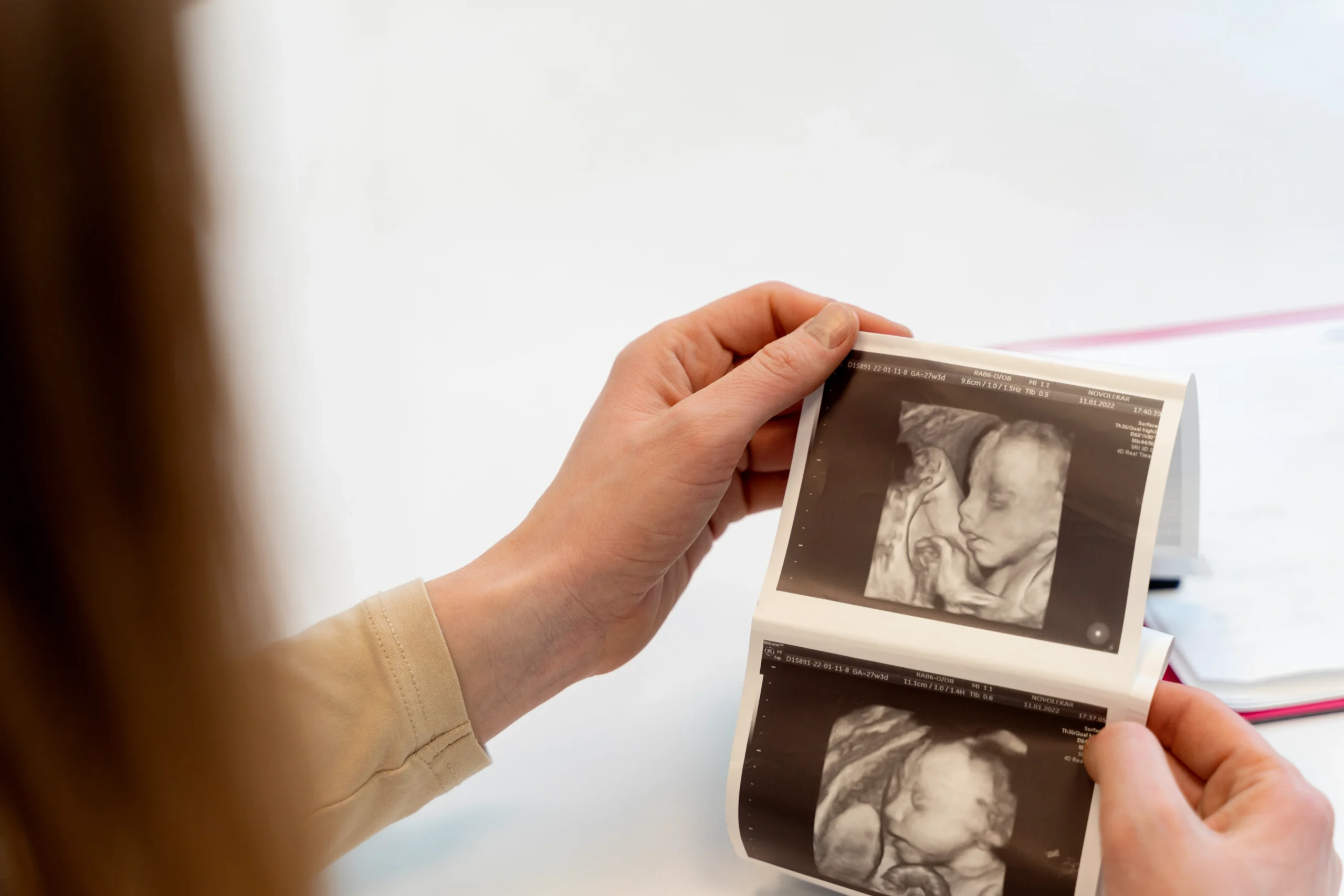
What Is Hysteroscopic Septum Resection?
Hysteroscopic septum resection is a procedure to remove or divide a uterine septum, a band of tissue that partially or fully divides the uterine cavity, using a hysteroscope passed through the vagina and cervix. Unlike laparoscopic procedures, this approach needs no abdominal incisions at all, since the entire procedure takes place through the natural opening of the cervix.
As a gynecologist in PCMC, Dr. Nikhil A. Mahadar performs this procedure to restore a more normal-shaped uterine cavity, generally when a septum is contributing to infertility or recurrent pregnancy loss.
What Is a Uterine Septum?
A uterine septum is a congenital condition, present from birth, where a band of tissue divides part or all of the uterine cavity. It happens when the structures that form the uterus during fetal development do not fully merge. A septum can be partial, dividing only part of the cavity, or complete, extending further and sometimes reaching the cervix.
How Does a Uterine Septum Affect Pregnancy and Fertility?
A uterine septum has poor blood supply compared with the rest of the uterine lining, which can make it a less suitable site for a pregnancy to implant and grow. This has been linked to an increased risk of miscarriage, particularly recurrent pregnancy loss. It can also contribute to infertility, preterm birth or the baby settling into an unusual position later in pregnancy. Not every woman with a uterine septum experiences these problems, which is why individual assessment matters.
Contact Us
Septate vs Bicornuate Uterus: What Is the Difference?
These two conditions are often confused, but they are different problems with different treatments.
- Septate uterus. The outer shape of the uterus is normal. The problem is an internal wall of tissue dividing the cavity, which is what hysteroscopic septum resection treats.
- Bicornuate uterus. The uterus itself is abnormally shaped externally, generally described as heart-shaped, rather than having a normal outer contour with an internal division.
Telling the two apart accurately generally requires looking at both the inside of the cavity and the outer shape of the uterus together, which is why diagnostic hysterolaparoscopy, combining hysteroscopy with laparoscopy, is sometimes used to confirm which condition is actually present before deciding on treatment.
How Is a Uterine Septum Diagnosed?
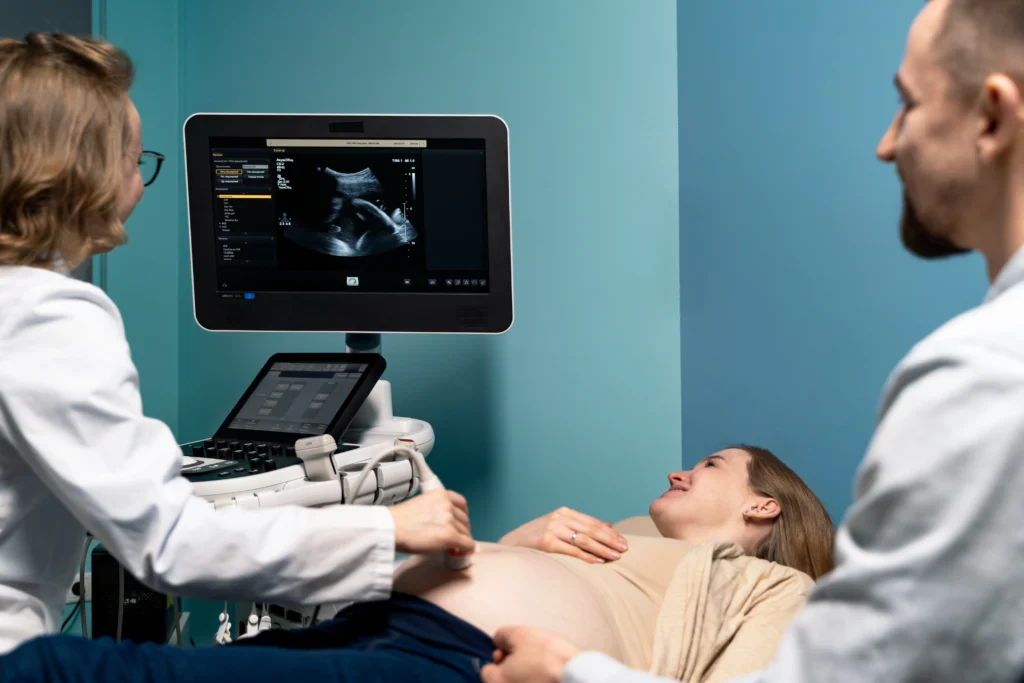
- Same-visit ultrasound. Performed personally by Dr. Mahadar, often the first step in identifying a possible septum.
- Hysterosalpingogram (HSG) or MRI. Can suggest a septum, though these are not always enough on their own to fully distinguish it from a bicornuate uterus.
- Diagnostic hysteroscopy, sometimes combined with laparoscopy. Provides the clearest confirmation of both the internal cavity and the external uterine shape together.
What Are the Risks of Hysteroscopic Septum Resection?
This procedure is generally safe, but as with any surgery it carries risks, including uterine perforation, bleeding, infection and, uncommonly, scar tissue formation inside the uterus afterward. A risk specific to hysteroscopic procedures is fluid overload, since the fluid used to expand the uterine cavity is monitored closely to avoid absorbing too much of it into the bloodstream.
Dr. Mahadar discusses the specific risks relevant to your individual case before the procedure.
Does Removing the Septum Guarantee a Successful Pregnancy?
No. Removing a septum improves the shape of the uterine cavity and is associated with better outcomes for many women with recurrent pregnancy loss or infertility linked to a septum, but it does not guarantee a successful pregnancy, since other factors may also be involved. Dr. Mahadar discusses realistic expectations based on your full evaluation, not just the septum finding alone.
Comprehensive Healthcare Services Under One Roof
At Srushti Hospital, we provide advanced medical care with a team of experienced specialists and modern facilities. Explore our wide range of healthcare services designed to support your health needs with personalized treatment and compassionate care.
Recovering After Hysteroscopic Septum Resection
- Hospital stay. Generally day surgery, going home the same day, since there is no abdominal incision to recover from.
- First few days. Mild cramping or spotting is common and generally settles quickly.
- Return to normal activity. Most patients resume normal activities within a few days, faster than after any laparoscopic or open procedure.
- Follow-up. Sometimes including a repeat scan or hysteroscopy to confirm the cavity has healed with a normal shape.
Why Choose Srushti Hospital for Hysteroscopic Septum Resection
- Accurate diagnosis first. Distinguishing a septate uterus from a bicornuate uterus before recommending treatment, rather than assuming based on a single scan.
- Fellowship-trained approach. Dr. Mahadar's fellowship training in laparoscopic surgery and infertility supports both the diagnostic and surgical sides of this evaluation.
- Same-day recovery. No abdominal incision means most patients go home the same day.
- Continuity into fertility care. The same doctor manages any fertility treatment that follows, once healing is confirmed.
- Reasonable, transparent pricing. A flat ₹500 consultation fee, with procedure costs discussed and confirmed in advance.
Frequently Asked Questions
Rather than a single answer, look for a doctor who can accurately distinguish a septate uterus from a bicornuate uterus before recommending treatment, holds specific fellowship training relevant to both the diagnosis and the procedure and gives honest guidance on when a septum genuinely needs removing rather than treating every finding the same way. Dr. Nikhil A. Mahadar at Srushti Hospital and IVF Center in Thergaon offers all three.
A congenital band of tissue that partially or fully divides the uterine cavity, present from birth.
A septate uterus has a normal outer shape with an internal dividing wall. A bicornuate uterus is abnormally shaped externally. They are different conditions, generally treated differently.
Not necessarily. Removal is generally considered when the septum is linked to recurrent pregnancy loss, infertility or other symptoms, rather than as a routine step for every septum found incidentally.
Yes, it is a recognised cause of recurrent pregnancy loss, generally because the septum has poor blood supply and is a less suitable site for a pregnancy to implant and grow.
The procedure itself is performed under anaesthesia, so it is not painful during the procedure. Mild cramping afterward is common and generally settles within a few days.
Become a Member
Serving Thergaon, Dange Chowk, Wakad and Pimpri-Chinchwad
Shop No 19, 19A, 20, Ground Floor, Metropole Building, Dange Chowk Road, opposite Runwal Heritage, Thergaon, Pimpri-Chinchwad, Maharashtra 411033
6:30 PM to 9:30 PM, Monday to Saturday
Morning consultation, by appointment: 9:00 AM to 11:00 AM, Monday to Sunday
7798019692 / 9075993329
₹500 per visit